




TK Elevator: Building Sustainable mobility for Smart Cities

Indian cities are growing taller and denser. How is this vertical growth changing the way urban planners and developers think about mobility beyond roads and rail?
As Indian cities grow taller and denser, urban planners and developers are increasingly rethinking mobility as a three-dimensional challenge, not just a horizontal one addressed by roads and rail networks. Vertical growth has made the efficient movement of people within buildings just as critical as movement between locations, especially in high-rise offices, residential towers, mixed-use developments, airports and transit hubs. Elevators, escalators and moving walks are now viewed as core urban infrastructure rather than auxiliary building services, directly influencing building capacity, safety, energy consumption and user experience.
This shift is pushing planners to integrate vertical mobility early into master planning, aligning lift cores, sky lobbies and people-flow strategies with expected traffic patterns and peak demand. Developers are also recog-nising that intelligent vertical transport systems can significantly reduce congestion within buildings, improve evacuation and emergency response, and support seamless transitions between different modes of transport such as metros, buses and airports. In dense urban environments where land is scarce, optimised vertical mobility enables taller, more efficient buildings without compromising comfort or accessibility.
At a broader level, vertical mobility is becoming an essential component of smart city thinking. Data-driven and digitally connected systems allow building movement to be monitored, optimised and coordinated with surrounding urban infrastructure, helping cities manage density sustainably. As a result, mobility planning in India is evolving beyond roads and rail to include smart, reliable and energy-efficient vertical transportation as a key enabler of safe, liveable and future-ready cities.
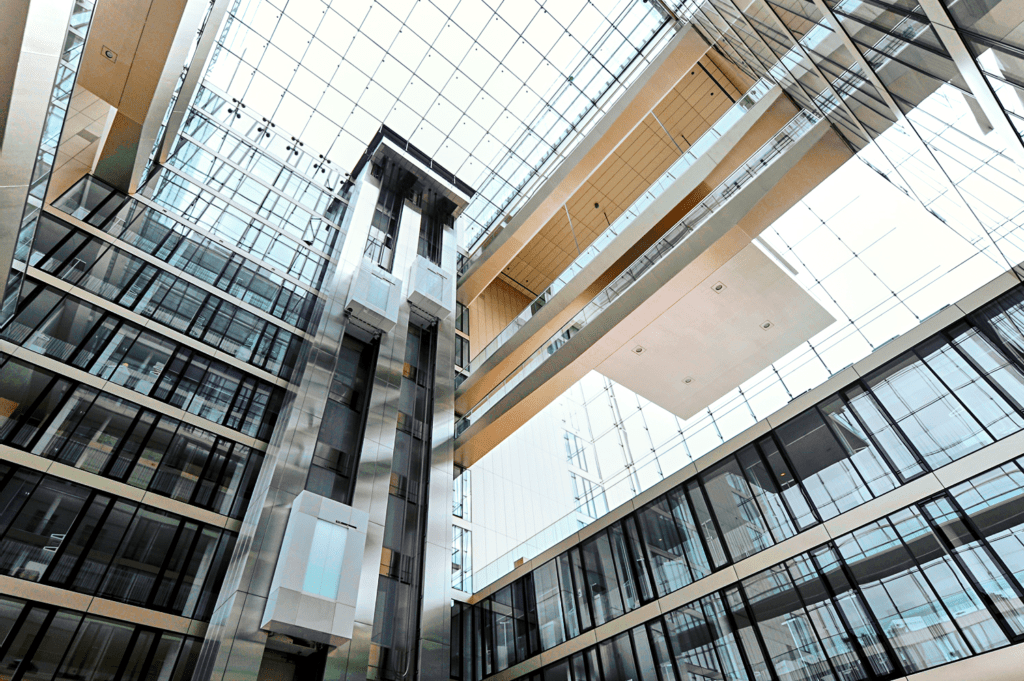
In smart cities, elevators and escalators are no longer just building services but part of critical urban infrastructure. How do you see the role of vertical mobility evolving across metros, airports, and large public hubs in India?
In India’s smart cities, the role of elevators and escalators is gradually evolving from basic building utilities to mission-critical urban infrastructure that enables safe, efficient and inclusive movement of people across large, complex environments. In metros, airports and major public hubs, vertical mobility systems are now central to managing passenger flow, reducing congestion and ensuring seamless multimodal connectivity. With rising footfalls and tighter operational windows, these systems must deliver high availability, predictable performance and rapid recovery from faults, making reliability and uptime as important as capacity.
This evolution is driving the adoption of intelligent, digitally connected vertical mobility solutions that can respond dynamically to real-time demand. In airports, for instance, elevators and escalators play a vital role in maintaining smooth passenger journeys across terminals, security zones and boarding areas, where even minor disruptions can have cascading effects. In metro systems and transit interchanges, they are essential for accessibility, crowd dispersal and safety, particularly during peak hours or emergencies. As these public hubs grow in scale and complexity, vertical mobility systems are increasingly integrated with central command centres, building management systems and passenger information platforms.
Looking ahead, vertical mobility in India’s smart cities will become more predictive, data-driven and user-centric. IoT and AI-supported maintenance and operations analytics and monitoring will help anticipate issues before they affect commuters, while energy-efficient designs and smart controls will support sustainability goals. At the same time, a stronger focus on inclusivity ensuring safe and reliable access for the elderly, people with disabilities and families will shape design and policy decisions. Together, these trends position elevators and escalators as a foundational layer of urban mobility infrastructure, critical to the success and resilience of India’s rapidly expanding cities.
TK Elevator often speaks about technology-led gains such as reducing downtime and increasing passenger handling capacity. What specific innovations are driving these improve-ments, and why do they matter for everyday urban users?
The technology-led gains that TK Elevator highlights such as reducing downtime by as much as 50 percent and increasing passenger handling capacity by up to 30 percent are driven by a combination of digital connectivity, AI-supported analytics and intelligent system design, all of which directly impact everyday urban users. At the core is our Digital Solutions platform MAX, which uses real-time data, machine learning and remote diagnostics to detect early signs of wear or anomalies before they result in breakdowns. By shifting maintenance from reactive repairs to planned, condition-based interventions, elevators and escalators remain available for longer periods, significantly reducing unexpected outages that frustrate users and disrupt daily routines.
Improvements in passenger handling capacity are largely driven by intelligent traffic management and dispatch technologies, such as destination control systems and AI-supported algorithms that analyse real-time demand patterns. These systems group passengers efficiently, reduce unnecessary stops, and optimise car movement during peak hours, allowing more people to be transported in less time without adding physical infrastructure. In dense urban environments like office towers, metros and airports, this translates into shorter waiting times, smoother flows and reduced crowding, even as buildings grow taller and footfalls increase.
Equally important are advances in remote monitoring, cloud connectivity and data-driven performance optimi-sation, which enable faster response times and more informed decision making by service teams. For everyday users office workers, commuters, patients or travellers, these innovations mean greater reliability, safer journeys and a more predictable experience. In fast-growing Indian cities, where time, accessibility and comfort matter more than ever, such technology-driven improvements are not just operational wins; they directly enhance quality of life and support the sustainable functioning of urban infrastructure.
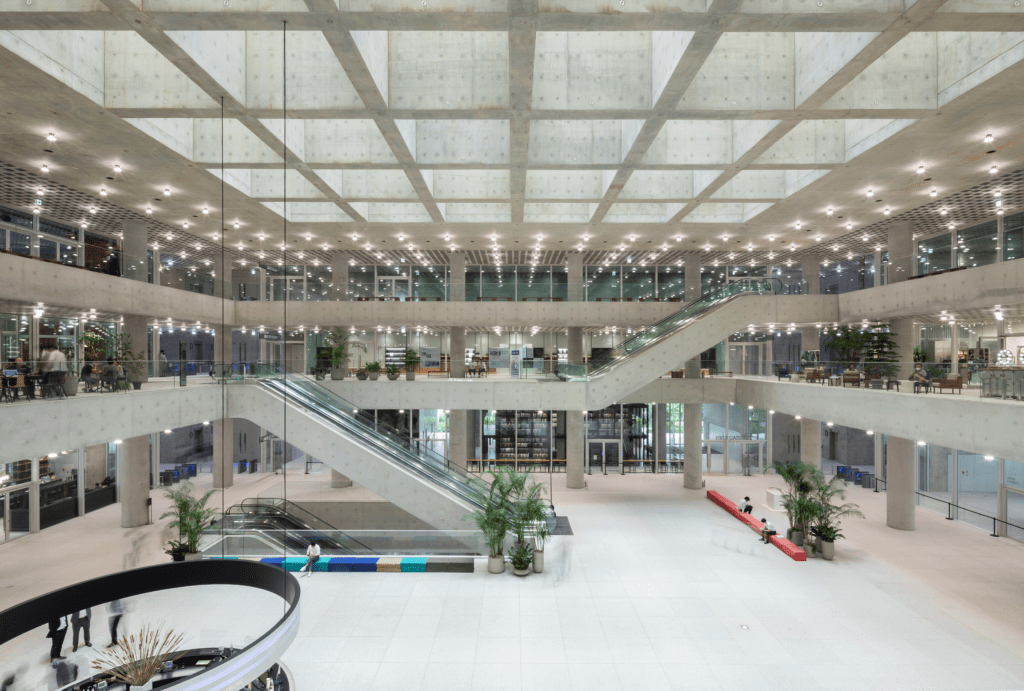
Predictive maintenance and digital monitoring are reshaping how buildi-ngs operate. How is data changing the way vertical mobility systems are maintained and experienced in India’s commercial and residential spaces?
Predictive maintenance and digital monitoring are fundamentally changing both the maintenance of vertical mobility systems and the way people experience them in India’s commercial and residential buildings. Data from connected elevators and escalators now provides continuous visibility into how equipment is actually used tracking usage intensity, component behaviour, error patterns and performance trends in real time. This shifts maintenance from fixed schedules or emergency repairs to condition-based interventions, where service actions are triggered by early warning signals rather than failures. As a result, technicians can plan visits more efficiently, arrive better prepared, and address issues before residents or occupants are impacted, leading to fewer breakdowns and shorter outages.
For building owners and facility managers, data-driven insights enable smarter decisions around lifecycle management, energy use and service planning. In commercial spaces such as offices, malls and IT parks, this translates into higher uptime during peak hours and smoother people flow, which directly affects productivity and business continuity. In residential buildings, especially high-rise apartments, digital monitoring reduces the uncertainty and inconvenience of unexpected lift outages, improving trust and satisfaction among residents.
From the user’s perspective, the impact of data is felt through more reliable, safer and predictable journeys. Reduced waiting times, fewer service interruptions and better communication around system status improve the overall experience, even if the technology operates largely in the background. In India’s rapidly urbanising environment, where buildings are getting taller and denser, data is becoming the backbone of vertical mobility quietly enabling smarter maintenance, better perfor- mance and a higher quality of everyday living.
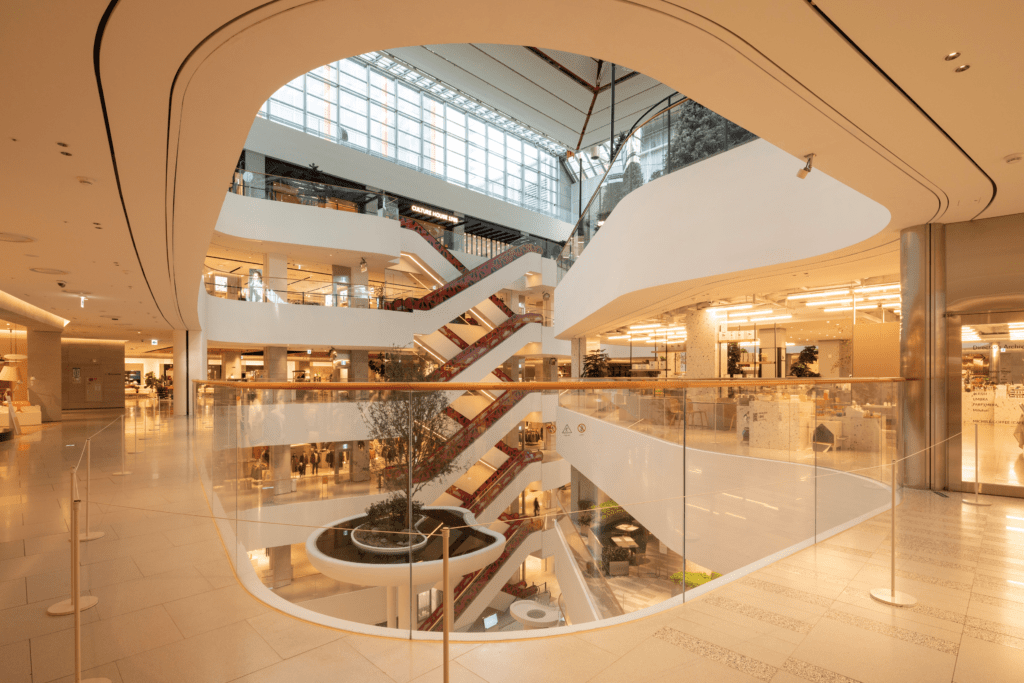
As cities move toward integrated mobility ecosystems, how realistic is the idea of seamless movement between public transit, buildings, and urban infrastructure, and what role can vertical mobility play in making that integration work?
The idea of seamless movement across public transit, buildings and urban infrastructure is increasingly realistic, especially as cities adopt integrated mobility ecosystems supported by digital platforms, shared data and intelligent design. While challenges remain around coordination, standards and legacy infrastructure, the convergence of smart transport systems, connected buildings and urban analytics is already enabling smoother transitions between different modes of travel. In this ecosystem, mobility is no longer viewed in silos metros, buses, offices, airports and residential towers are being planned as interconnected nodes in a continuous journey.
Vertical mobility plays a critical enabling role in making this integration work, as it forms the bridge between horizontal transport networks and the built environment. Elevators and escalators are often the first and last touchpoints in a commuter’s journey connecting metro platforms to street level, parking areas to offices, or airport terminals to boarding gates. When these systems are reliable, intelligent and well-integrated, they prevent bottlenecks, improve accessibility and ensure that the efficiency gained in public transit is not lost within buildings.
TK Elevator India
Web : www.tkelevator.com/in-en
