

Designing Future-Ready BuildingsThrough Smarter Piping Choices
The Evolution of Piping Systems in High-Performance Buildings

Noesis Services & Consultants
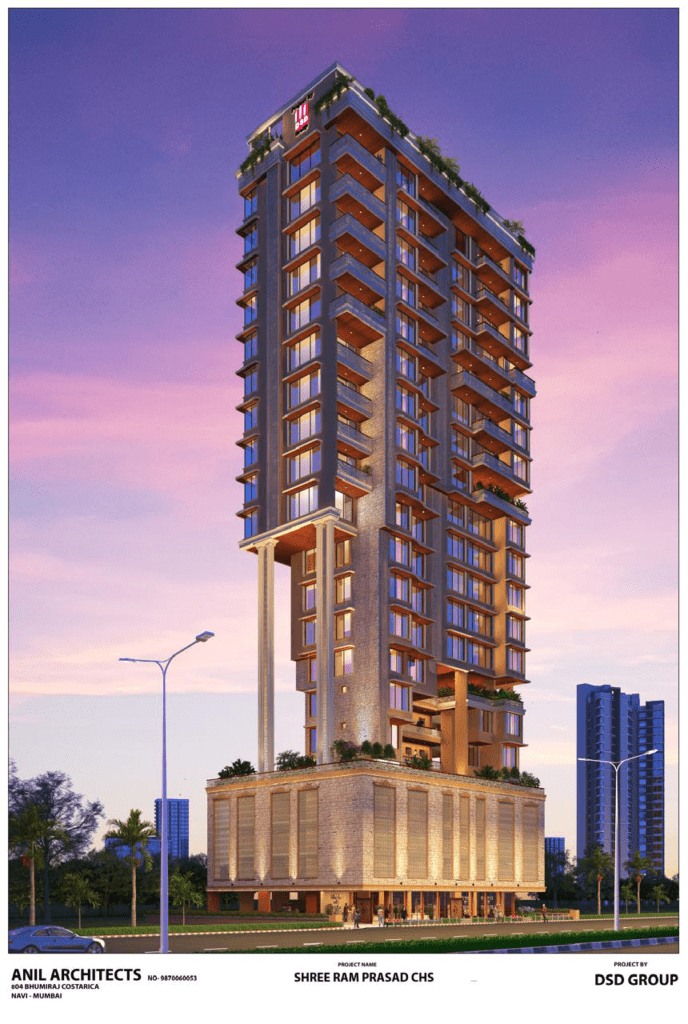
In the journey of designing modern buildings, plumbing and MEP systems are no longer “back-of-house” elements—they are central to how a building performs, ages, and sustains itself. As architects, we often focus on spatial quality and aesthetics, but true building performance emerges from the invisible networks behind the walls. This is where material selection, especially for drainage and piping, becomes a critical design decision.
Plumbing and MEP systems may be invisible, but the specification and type of piping chosen are as critical as any design element. Just as fashion has evolved—from heavy fabrics to lighter, smarter, more sustainable materials- piping systems have undergone a clear transition. Equally important is constructability. Lightweight systems with efficient jointing reduce installa-tion time, labour dependency, and site waste—factors that directly influence embodied energy and project timelines. Over decades of use, these efficiencies compound into measurable economic and environmental savings.
The industry has moved from copper and cast iron to PVC and CPVC, and today, increasingly towards polypropylene (PP). This shift is not cosmetic; it reflects changing performance expectations, sustainability goals, and user comfort standards. Sustainability considerations further strengthen the case for PP.
Longer lifespan, lower replacement cycles, and reduced maintenance translate into lower embodied energy and improved lifecycle efficiency—key parameters in green building certifications.

Polypropylene systems offer smooth internal surfaces that reduce friction losses and scaling, improved joint integrity through push-fit technology, and superior resistance to aggressive waste and cleaning chemicals. From an acoustic standpoint, mineral-reinforced PP systems significantly reduce structure- borne noise, making them well-suited for residential, hospitality, healthcare, and mixed-use developments.
As designers committed to responsible architecture, we must look beyond immediate budgets and consider how buildings perform over 30 or 50 years. Future-ready plumbing is not about trends; it is about lifecycle intelligence. Choosing the right piping system is an investment in sustainability, resilience, and long-term value.
Just as we no longer design spaces using outdated materials or aesthetics, we must also move away from outdated service specifications. Future-ready buildings demand piping systems that match modern expectations of perfor-mance, comfort, and sustainability. The pipes behind the walls should evolve with the architecture they support.
Web : www.noesisserviceconsultant.in
