





Why your waterproofing fails at the plaster stage
Most tanking specifica-tions follow the same two-step logic: apply a waterproofing membrane or coating, then apply a separate protective/plaster layer over it. Two trades. Two materials. Two schedules. Two points of failure.
The failure usually isn’t the membrane it’s the interface. Standard plaster over a waterproofed substrate traps moisture behind it, doesn’t bond reliably (especially over smooth coatings or AAC block), and eventually delaminates or pops out, taking the protective function of the system with it.
You end up paying for waterproofing twice: once for the membrane, once again for the repair. Which is exactly what De Sitter’s Law of Fives predicts catch the defect at design stage and it costs one unit; miss it and catch it in service, and it costs several times more to put right.
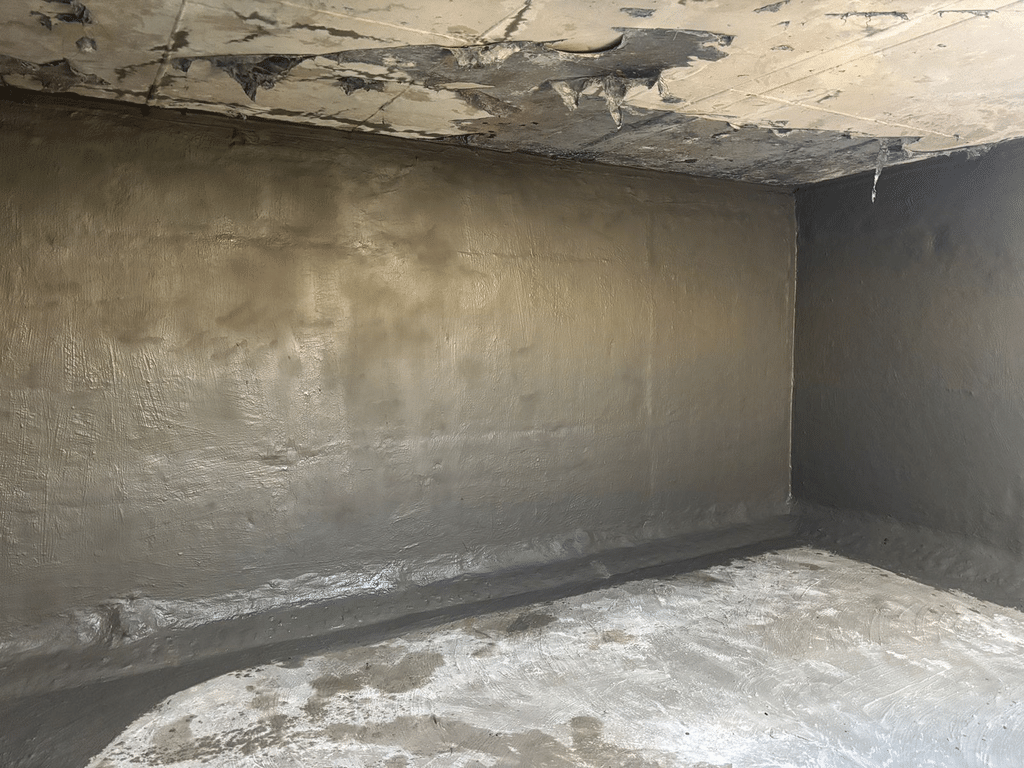
The Fix: One Layer, Two Jobs
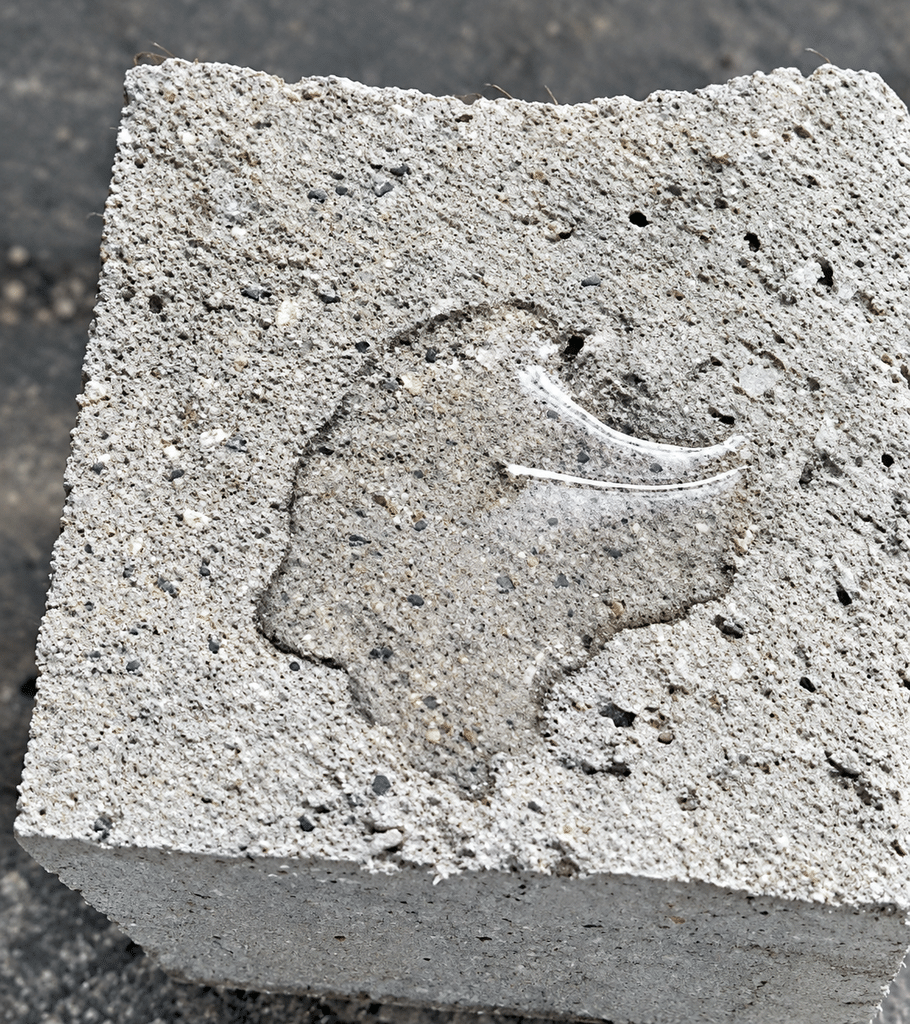
SS – HydroNil PM is a fibre-reinforced, factory-blended mortar that is hydrophobic in both powder and set form not coated on, built in. That means it can function as the protective layer and the water-resistant layer in a single application, on positive or negative side alike.
The technical tension that makes this work: waterproof coatings that block water usually also block vapour and trapped vapour is what causes blistering and delamination. SS – HydroNil PM is engineered to be both hydrophobic and breathable, so the substrate is protected from water ingress while still able to dry out naturally. That combination waterproof but breathable is the detail worth putting in front of a specifying engineer, because most alternatives force a choice between the two.
Why It Holds Where Others Don’t
No de-lamination or pop-out even on AAC blocks. AAC is now the default substrate on most mid- and high-rise projects, and plaster failure on AAC is one of the most common site complaints. SS – HydroNil PM’s bond strength is engineered specifically to resist this.
Works both sides. Positive-side water protection and negative-side damp management from the same SKU most competing products do one or the other, not both.
One step instead of two. Eliminates a full trade cycle (separate protective coat) on basements, terraces, podiums, water tanks, and wet areas with the labour, time, and coordination savings that follow.
High yield, minimal rebound loss less material wasted on site, less inventory to manage.
Where It Belongs in the Spec
Not just a general plaster. Use it for:
- Tanking structures & water-retaining structures (basements, water tanks, swimming pools)
- Renovation plaster over existing waterproofing systems
- Protective screed over membrane-waterproofed terraces and podiums
- Wet area substrate finishing (kitchens, bathrooms) where a second protective coat is currently being specified separately
The Ask
If your current spec calls for a waterproofing coat plus a separate plaster or screed layer, ask whether SS – HydroNil PM can do both in one pass before pricing the two-step system.
Why Engineers Choose SS – HYDRONIL PM?
- Hydrophobic: Repels Water In Powder & Set Form
- Breathable: Lets Substrate Dry Naturally
- Crack-Resistant: Fibre Reinforced; Fewer Shrinkage Cracks
- Bonds to AAC: No Delamination on Smooth/AAC Surfaces
- Non-Toxic: Safe For Drinking Water Contact
- High Yield: More Coverage Per Bag Vs. Site Mix
- Non-Sag: Applies Cleanly On Verticals
- Resistant To Pressurised Water: Multiple Use Cases
Why use a hydrophobic lining mortar?
- Resistant to 5 Bar Water Pressure
- Resists Water Even When Cracked
- Permanent Lining for Basements/ Tanks/ Walls
- Can be applied to Damp Substrates
- One Step Remedial Waterproofing
- Tested and Certified
Assess Build Chem Pvt. Ltd
Web : www.ssbuildchem.com
