



STP Limited
In which segment are you currently selling most of your waterproofing technologies? Do you feel that the requirements for waterproofing has changes in last two decades, particularly in the urban areas, that are leading the financial growth of the country?
STP being a 90 year old player in this market has its footprints and presence in all of these sectors. All major industrial and infra projects across PAN India, is been pursued and serviced by us. Be it, Power, Oil, Manufacturing industry or Land Connectivity sector comprising of roads, bridges, airports, tunnels and elevated rails. In building segment, STP has been a preferred supplier with Government bodies, be it, defense or society infrastructure; STP has been catering to their operational as well as residentials assets. Growing GDP, controlled inflation, flexible loan terms, government support and global need, all of these has contributed in driving the demand. Building Industry has been consistently escalating, especially in Urban Segment. Whether it is the real estate comprising of residential cum commercial projects or social infra-structure like, education, healthcare, affordable housing, community facilities (park, stadium, cultural centers, etc.); whether it is privately promoted schemes or government initiatives; there is massive construction activity in present urban vicinity. Either old spaces are being redeveloped or new developments in the periphery of dense cities is filling up at a fast pace. This has resulted in more demand for quality materials combined with skilled workmanship in waterproofing market.
As we see that there has been climatic disruptions in last few years, there are unprecedented rains, flooding and extended seasons. In this scenario, how the demand for waterproofing has changed? And has your organization taken steps to introduce more dependable waterproofing systems to improve long-term trouble-free service life of building structures?
Waterproofing is always designed to take climatic variability, whether more or less. One cannot be stingy while designing a system. It One has to build a protection system for all situations, flooding or otherwise. In high water table zones, drain diversions work only as long as the city drainage is effective.
This apart, the climatic unpredictability and urban flooding at times pose a threat in commencement of work while in execution. Like, a rising water table, often in Mumbai, disrupts basement waterproofing work, pushing the developers to make drainage slots around the excavated foundation and create a dewatering pit in order to keep the working space dry. Similarly, unseasonal rains often hampers orderly commencement of ongoing waterproofing or casting work. We have always believed in our capability in developing home-grown technologies using contemporary global materials. Decades back, STP pioneered in India the bituminous sheet modified with atactic polypropylene and in last decade, we formulated single component moisture cured polyurethane indigenously. Instead of getting finished or semi-finished goods from abroad, we have always endeavuored in making the entire development process happen within factory premises. This has taught us to be self-reliant, while at the same time upgrading our processing and manufacturing standards. Today we service our customers through 6 factories located strategically, from all corners of our country.
If you have developed more dependable smarter waterproofing systems, kindly share its functional benefits for high-rise urban applications?
Any system which is durable is smart. A waterproofing system has to be in place at all times, be it dry or wet, be it seasonal or unseasonal, be it predictive or calamitic. As long as the structure is intact, the waterproofing system must operate shoulder to shoulder with it. High-rises in urban region, plus coastal location, is the most challenging combination. Above ground, you have a weather that’s humid, sultry and polluted; below ground there is a high water table of chloride rich water, expansive soil and often congested surroundings. In such case, we install a highly reliable system of tough high-density-polyethylene preformed sheets that can be permanently fused together using hot air welding, thus, forming a seamless barrier. These sheets fully bond to the base of the raft during casting and can be extended on the retaining wall by spot bonding either on internal side of rising shuttering or the dyke wall, as per design. Such a system completely isolates the subgrade building structure from exposure to water and other deleterious ingredients for decades.
Above ground, a tough liquid membrane with brushable (and sprayable) polyurea chemistry ensures that there is no need of using fabric or fiberglass mesh to strengthen a waterproofing membrane. Extended podiums, vast landscapes, water planters, connected fountains, expansive roofs, longitudinal swimming pools, large water storage tanks (overhead or underground) are ideal candidates for the polyurea system. Several variants are available in this chemistry, depending on criticality of the application and sensitivity of the project.
Are you producing eco-friendly, non-toxic or low-VOC waterproofing products?
In last few years we have developed plenty of products which are water-based or solvent-free. In fact, one of our high selling product, being widely used in the building segment is a water based single component polyurethane liquid membrane, with its White version having a high SRI value. Similarly, we offer a fortified liquid membrane that will prevent heat emission through the roof slab, keeping the interiors cooler. This product is designed to do both waterproofing and heat-proofing of the structure. Most of our non-water based waterproofing products are designed with low-VOC or are solvent-free. Then there are traditional joint filling boards, produced by recycling sugar industry wastes. We have been a part of IGBC and presently are in the process of getting more products certified for GRIHA. Encouraging builders through the route of ‘Compliment for Compliance’ through GRIHA & LEED in these days is apt and practical. Needless to say, wider the reach of such schemes, it shall encourage more builders and suppliers to qualify and participate.
How do your waterproofing solutions perform under extreme weather conditions?
In the extreme most urban tropical conditions, you need products that are tough & durable and a system that is muti-layered. We design such systems at the inception of a project based on application and topography. The system design is explained to the asset owners and specifiers with the help of CAD or graphical drawings and citing its benefits. We name out layer by layer, first to the ‘last line of defence’ of a waterproofing design, in accordance with industrial norms / codes. What precautions and challenges can be encountered during execution of the project and what resources should be available is spelled out to all the stake holders. Then we allow the decision makers to pick their choice. We are utilizing super micro ingredients in our products for long term performance sustenance of certain waterproofing membranes. These upgradations have proven its mettle in third party tests carried out by leading testing labs. Talking about membrane durability, we have believed in taking the route of increasing the elastomeric properties of a membrane while also enhancing its mechanical strength. This, in our opinion, is more sustainable as compared to self-healing materials.
Tell us some success stories in reputed projects, where your product technologies has been used either at the inception or during re-waterproofing as a preferred choice?
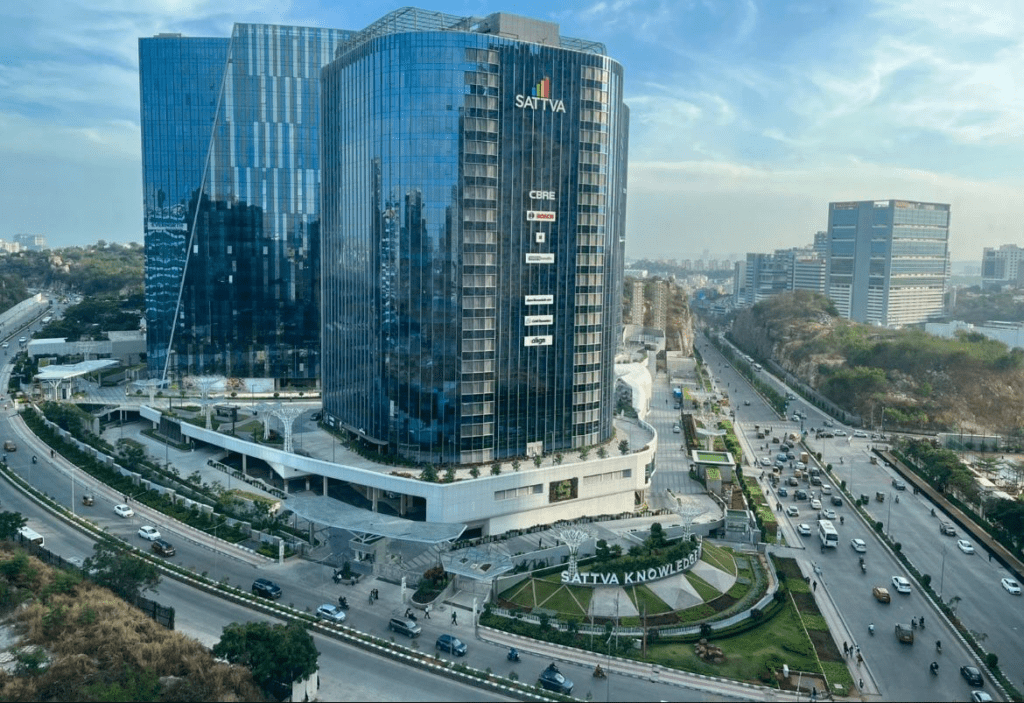
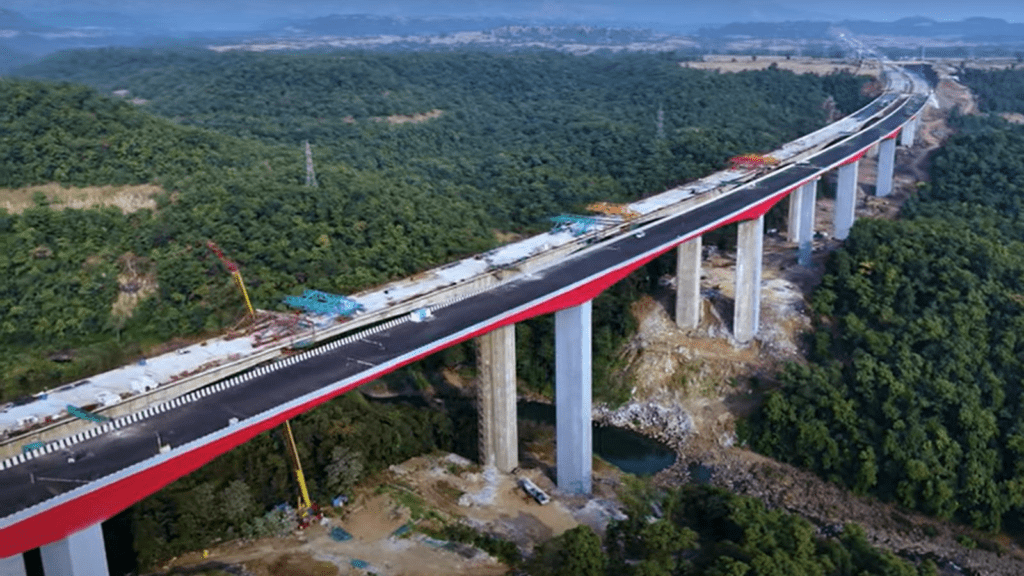
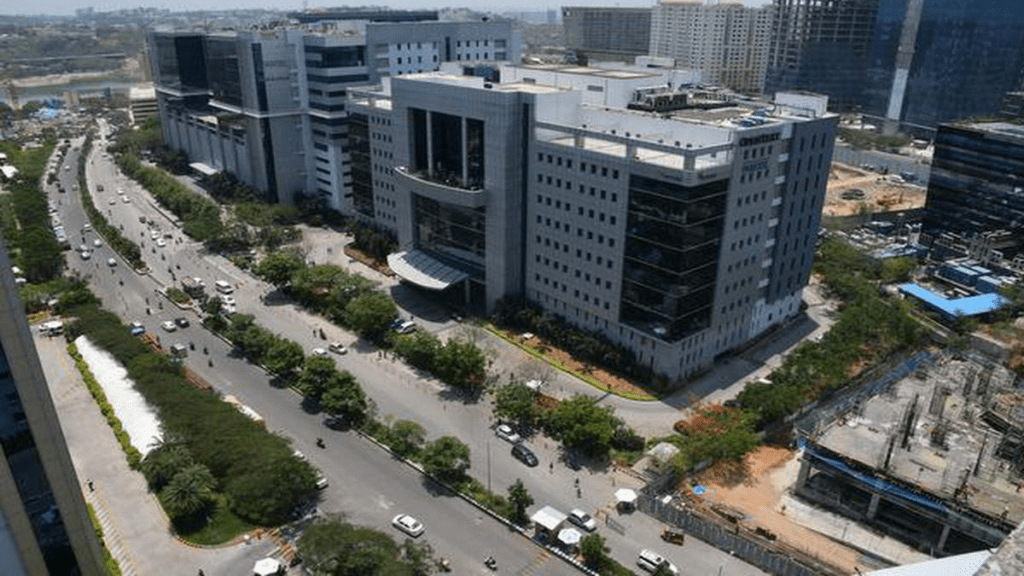
Such instances are plenty and difficult to identify one in isolation. In recent past we have successfully completed waterproofing work of about – 30,000 m2 Wet Area of Officer’s Enclave (Patna); 20,000 m2 Plant buildings of NTPC-THDC TPS (Khurja); 50,000 m2 Roof Terrace of IIT (Roorkee); 2,50,000 m2 Bridgedeck of Samruddhi Expressway (Maharashtra); 14,500 m2 Staircase Coating of Hotel Four Seasons (Mumbai); 1,45,000 m2 Cardeck of Sattva Knowledge Park (Hyderabad); 30,000 m2 Terrace of Smart City Sector-4 (Greater Noida); 5,00,000 m2 Basement & 4,00,000 m2 Retaining Wall for HRRL Refinery (Barmer)…to name a few. In these projects, a variety of waterproofing membranes has been utilized. Top of the line, HDPE, Solvented PU, Water based PU Dispersion, Acrylic Cement-Polymeric and traditional APP & SBS membranes, all of these has been utilized as per application and project requirements.
In today’s price driven market, how do you maintain the balance between affordability and performance, with rising input costs? And what advice would you offer to Specifiers (i.e., Architects & PMCs) and Asset Owners (i.e., Developers & Govern-ment Bodies) to ensure durable, and cost-efficient waterproofing?
A logically engineered system always justifies the price of the product, is what we firmly believe and work towards. Budget of waterproofing is a very small percentage of any construction project cost, while its importance is utmost. For a material manufacturer and application contractor, it is important that the process is communicated well to project engineers and decision makers. Without them being a part of the conceptualizing team, effective execution is seldom achieved. Not us, but BS-8102 (also, BIS-16471) recommends one Waterproofing and one Geotechnical Expert be dedicated for every given project. Hoping that such practices gets adopted in our country. For builders into high-rise, heritage or coastal projects, our recommendation starts from ground zero. Cover your subgrade concrete by preformed waterproofing membrane around habitable areas and protect the support elements with resin based or coal tar coatings. Tough 2K liquid membranes, may be considered for areas undergoing wide temperature fluctuations, like, podium, terraces, etc. For areas like, wet rooms, water tanks, smaller pools, etc. cement-polymeric membrane can suffice.
In landscapes, planters, roof gardens, installed install double layer water-proofing with anti-root properties. Most importantly, create muti-layer defense from water ingress by collaborating with technical team of the supplier. Add water bars / stoppers in retaining wall, PMM covings at meeting planes along with corner tapes for wet rooms, non-shrink grouts for pipe packing, sealant and tapes for joints, pipe sleeves around core cut sections, integral and corrosion inhibiting admixtures in the concrete, micro concrete and repair mortars for pile caping, etc. Ensure proper detailing of rain water outlets, core cuts, parapet terminations, pile head packing, et al.
STP Limited
www.stpltd.com
